 By Caleb Morgan
Updated November 2026
A harbor freight tools leaf blower can handle most residential cleanup jobs if you match the machine to your yard size, power source, and the kind of debris you deal with most. This guide walks you through the decisions that matter: blower type, engine or motor, airflow and speed ratings, weight, and noise. You will also get a simple checklist for inspecting and setting up a unit, plus the mistakes that cause most early disappointment.
Step 1: Decide What You Need the Blower to Do
Before you compare models, write down the jobs you expect the blower to handle. A small patio and a few oak trees call for a different machine than a half-acre lot with a gravel driveway and a long fence line. Think about how often you will use it, how far you need to reach, and whether you want it for light dusting or heavy wet leaves.
Shopping for one? See our guide: 6 Best Organic Leaf Blowers for Chemical-Free Yard Care in 2026.
- Light tasks: sidewalks, decks, patios, grass clippings, dry leaves on a small lawn.
- Moderate tasks: gutters near the ground, driveways, mulch beds, leaves after a rainstorm.
- Heavy tasks: wide open lots, wet or matted leaves, long runs of debris along fences.
Step 2: Choose the Right Blower Type and Power Source
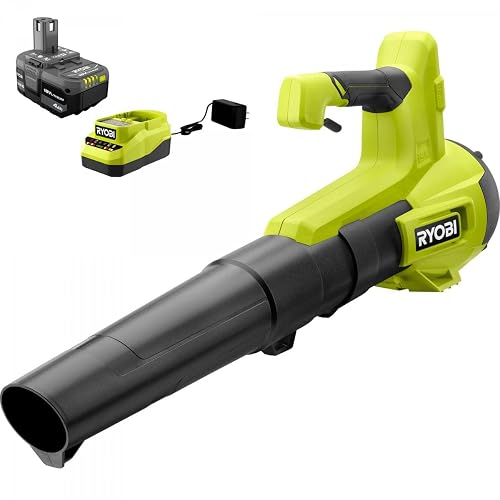
Most harbor freight tools leaf blower options fall into three groups: handheld electric (corded or cordless), handheld gas, and backpack gas. Corded units are light and simple but limited by cord length. Cordless units are quieter and need no fuel, but runtime depends on battery capacity, so buy a spare if you have a big yard. Gas models give the most power and range but are heavier, louder, and need regular maintenance.
| Blower type | Best for | Main trade-off |
|---|---|---|
| Corded electric | Small yards, decks, quick cleanups | Cord length limits your reach |
| Cordless electric | Medium yards, low-noise areas | Runtime depends on battery size |
| Handheld gas | Medium to large yards, wet leaves | Heavier, needs fuel and tune-ups |
| Backpack gas | Large properties, long daily use | Bulkiest and loudest option |
If you are unsure which category fits, read our overview of Leaf Blower Types: Handheld, Backpack and Blower-Vac before you commit to a power source.
Step 3: Compare Airflow, Speed, and Engine Specs
Manufacturers usually list three numbers: air volume in cubic feet per minute (CFM), air speed in miles per hour (MPH), and, for gas units, engine displacement in cubic centimeters (cc). Higher CFM moves more leaves at once. Higher MPH helps break loose stuck debris. For general yard work, look for air speeds in the upper range for the type you are buying and enough CFM to move a pile of leaves without stalling.
Gas engines are sometimes described as two-stroke or four-stroke. If you are comparing gas models, read our explainer on Leaf Blower 4 Cycle Engine: Why It Matters and How to Choose One to understand how the engine type affects maintenance and emissions.
Specs to Check Side by Side
- Air volume (CFM) for moving bulk leaves.
- Air speed (MPH) for loosening wet or packed debris.
- Weight, measured with fuel or battery installed.
- Noise rating, if your neighborhood has time restrictions.
- Variable speed control, which helps with gentle dusting around plants.
Step 4: Inspect the Blower Before First Use
Whatever model you buy, do a quick inspection before running it. Check that the tube, nozzle, and handle are tight. For gas units, confirm the fuel cap seals and look for any fuel or oil leaks. For electric units, inspect the cord for nicks, and make sure the battery latches firmly.
Setup Checklist
- Assemble the tube and nozzle, tightening all clamps by hand.
- For gas: mix fuel to the ratio the manufacturer specifies, and use fresh fuel.
- For electric: fully charge the battery or confirm the cord is undamaged.
- Wear eye and hearing protection.
- Clear the area of people, pets, and loose objects that could be thrown.
Step 5: Use the Blower Efficiently
Good technique saves time and energy. Work in long, overlapping passes rather than short bursts. Angle the nozzle slightly toward the ground to move debris forward instead of kicking it up. For a pile, sweep it into a windrow first, then blow it onto a tarp or into a collection bag.
Start at the far edge of the area and work toward yourself or toward the collection point. If you have a lot of wet leaves, wait for them to dry a bit, since damp material clumps and resists airflow.
Working Pattern for a Typical Lawn
- Walk the perimeter first to move debris away from fences and walls.
- Work inward in parallel rows, overlapping each pass by about a third.
- Gather the final piles onto a tarp, then dispose of or compost them.
For cleanup that goes beyond blowing, see Leaf Cleanup Tools: Mowing, Raking, Composting and Mulch for ideas on what to do with the material once it is gathered.
Step 6: Maintain the Blower
Routine care keeps any blower running well. Clean the air intake or cooling vents after each use, since clogged vents cause overheating in gas and electric units alike. For gas models, replace the spark plug and air filter on the schedule the manufacturer lists, and drain old fuel if the machine will sit for more than a month.
Electric units need less upkeep, but keep batteries stored at moderate temperatures and avoid leaving them on a charger for long periods after they are full.
Common Mistakes
- Buying on size alone. A compact blower looks convenient, but it may struggle with a large lawn.
- Ignoring weight. A heavy backpack unit feels fine for ten minutes and tiring after an hour.
- Using old gas. Stale fuel is one of the most common reasons gas blowers fail to start.
- Blowing debris toward people or open windows. Always aim the airflow away from others.
- Skipping hearing protection. Repeated exposure to blower noise adds up over a season.
- Running a cordless unit on a nearly drained battery. Airflow drops as the battery weakens, which makes the job harder.
Recommended gear
These accessories help with most blower tasks and are worth considering alongside your machine.
- Ear protection: Foam or muff-style hearing protectors reduce the noise that builds up during long sessions. View on Amazon
- Safety glasses: Blowers throw grit and small twigs, so impact-rated eyewear protects your eyes. View on Amazon
- Heavy-duty tarp: A large tarp lets you move collected leaves quickly without multiple trips. View on Amazon
- Spare battery or fuel can: A second battery keeps cordless work going, and a labeled fuel can makes gas storage safer. View on Amazon
FAQ
Is a harbor freight tools leaf blower good for a large yard?
It can be, as long as you choose a gas or high-capacity cordless model. Large yards need more airflow and runtime than small electric units provide, so match the power source to the acreage.
Should I buy a gas or electric blower?
Electric blowers are lighter, quieter, and require less maintenance, which suits small to medium yards. Gas blowers offer more power and range for bigger properties and heavy debris.
What CFM do I need for leaves?
Light leaf cleanup usually works with moderate CFM, while wet or matted leaves call for higher airflow. Check the manufacturer’s rating and compare it with models you have used or read about from other owners.
How often should I service a gas blower?
Follow the schedule in the owner’s manual. As a general guide, clean the air filter and check the spark plug at least once a season, and replace fuel that has been sitting for more than about a month.
Can I use a leaf blower to clean gutters?
Some owners do this with a long extension, but work at heights carefully and never on a ladder you cannot balance. Consult a professional if the gutters are high or the roof is steep.
How do I store a blower over winter?
Clean the unit, drain or stabilize the fuel in gas models, and store batteries at a moderate temperature. Keep the machine in a dry place away from direct sunlight.
Is a leaf blower loud enough to damage hearing?
Prolonged exposure to blower noise can contribute to hearing damage. Wear ear protection during extended use, and limit continuous running time when possible.
Conclusion
A harbor freight tools leaf blower can serve well for many yards once you match the blower type, power source, and airflow to your actual workload. Compare the specs that matter, inspect the unit before first use, and keep up with basic maintenance. Working in overlapping passes and wearing proper protection will make every cleanup faster and safer.
Related reading
- Leaf Blower Harbor Freight: How to Choose and Use One (2026)
- Wood Ranger Power Leaf Blower: A Step-by-Step Guide for Buyers and Owners
- Wood Range Power Leaf Blower: What It Is and How to Choose One
Ready to choose one?
About Caleb Morgan
Caleb Morgan is part of our editorial team and reviews and edits our garden hand tools & equipment guides, checking product details against manufacturer specifications and owner feedback.








Write Your Review
No reviews yet. Be the first to share your experience!