 By Caleb Morgan
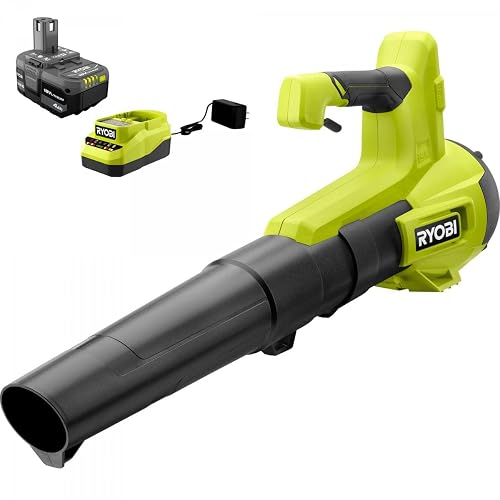
A wood range power leaf blower is a term many shoppers search when they want a blower suited to larger yards, wooded lots and heavy debris. In this guide, you will learn how to interpret the specs that matter, match a blower to your property size and debris type, and avoid the buying and operating mistakes that waste money and time. By the end, you should be able to narrow your choices to one or two models with confidence.
What “Wood Range” Usually Means for Leaf Blowers
Shoppers searching for a wood range power leaf blower are usually describing a blower meant for rural or wooded properties: long driveways, gravel lanes, pine needles, fallen twigs and leaves packed into corners of a large lot. “Wood range” is not a formal industry category, so treat it as a practical description rather than a specification you will find printed on a box. What matters is whether the machine has enough airflow, speed and runtime for the job.
Shopping for one? See our guide: 6 Best Organic Leaf Blowers for Chemical-Free Yard Care in 2026.
For wooded areas, the main challenge is debris weight and volume. Wet leaves, pine needles and small twigs cling to surfaces and resist a light breeze. A blower that works well on a patio may struggle to move a thick layer of damp oak leaves across a slope.
Step 1: Measure Your Property and Debris Load
Before comparing any machine, estimate the area you need to clear and the type of debris you face most often. A quarter-acre suburban lot with a few maples needs a very different tool than five acres with mixed hardwoods and a long gravel drive.
- Measure the total hard-surface area (driveway, walks, patio) and the grassy or wooded area you clean.
- Note the heaviest debris: wet leaves, pine needles, acorns, small branches or dust.
- Decide how often you clean, whether weekly in fall or occasionally after storms.
- Check whether you need to reach under shrubs, around tree roots or along fence lines.
Step 2: Understand Airflow, Speed and Power Ratings
Manufacturers publish airflow in CFM (cubic feet per minute) and air speed in MPH at the nozzle. Both numbers help, but they tell different stories. High CFM moves more volume, which helps with large piles of leaves. High MPH helps break loose stubborn, wet or matted debris. Good wooded-lot blowers balance both.
As a rough guide, many owners find that light-duty handheld units suit small decks and short walks, while mid-range and backpack models handle half-acre lots and beyond. Always compare figures measured the same way, since some brands report unmeasured or peak numbers.
Comparing Power Sources
| Power Source | Best For | Main Trade-off |
|---|---|---|
| Gas two-stroke | Large wooded lots, long daily use | Fuel mixing, noise, emissions, more maintenance |
| Corded electric | Small to medium yards near an outlet | Cord management limits reach |
| Battery (lithium-ion) | Medium yards, quiet operation, low upkeep | Runtime drops at high power settings |
For a deeper look at battery ratings, see Battery Leaf Blower Guide: CFM, MPH and Runtime. If you are weighing body types, Leaf Blower Types: Handheld, Backpack and Blower-Vac explains where each design fits.
Step 3: Choose the Right Blower Style
Style affects comfort as much as performance. Handheld units are light and maneuverable but tire your arm on long jobs. Backpack blowers shift weight to your shoulders and typically deliver more airflow, which suits large wooded properties. Blower-vacs add mulching and collection, useful if you want to reduce raking and composting work.
If your work covers acres of leaves, a backpack model is often the practical choice. For a closer look at that style, read Backpack Leaf Blower Guide. Owners with mixed tasks sometimes pair a handheld for detail work with a larger unit for open ground.
Step 4: Check Runtime, Noise and Weight
Runtime matters most on big jobs. Battery manufacturers usually state runtime at a specific power level, so expect less at full throttle. Noise is also worth considering, since many wooded properties sit near neighbors. Check the manufacturer’s decibel rating and remember that gas models are generally louder.
- Look for a second battery if you plan to clean more than 30 minutes at a stretch.
- Test the balance of backpack models before buying if possible.
- Weigh the machine with a full tank or fully charged battery in mind.
Step 5: Plan Your Cleanup Method
Blowing is only one step. Wooded yards often need a combination of tools. A blower moves loose leaves into windrows, a rake handles wet matted debris, and a mulcher or compost system deals with volume. For a broader toolkit, see Leaf Cleanup Tools: Mowing, Raking, Composting and Mulch. If you want to reduce what you haul away, Leaf Vacuum Mulcher Guide: Blower-Vacs and Leaf Alternatives covers alternatives.
Recommended gear
A few accessories make wooded-lot cleanup easier and safer. Consider the following when shopping.
- Ear protection: Foam or electronic earmuffs reduce noise exposure on long gas or high-speed battery sessions. View on Amazon
- Eye protection: Wraparound safety glasses keep twigs and grit out of your eyes when the air stream lifts debris. View on Amazon
- Leaf rake: A wide, flexible poly rake helps gather wet leaves the blower cannot lift. View on Amazon
Common Mistakes
- Buying on maximum MPH alone and ignoring CFM, which matters for volume.
- Choosing a handheld for a large lot, leading to arm fatigue and slow progress.
- Blowing wet leaves on a dry day with the wrong nozzle, wasting energy.
- Skipping air filter cleaning on gas models, which reduces power and increases wear.
- Running batteries to empty repeatedly, which shortens their useful life.
- Forgetting hearing and eye protection on noisy, debris-heavy jobs.
Tips for Better Results
- Work downwind and sweep in overlapping passes, moving debris into a single pile.
- Blow leaves when they are dry; wet debris needs a rake or a higher-speed nozzle.
- Clean the air intake screen before each session to keep airflow strong.
- Store batteries at moderate temperatures and charge them after use, not before.
- Keep spare line-free zones near gravel edges to avoid pulling stones.
FAQ
Is a wood range power leaf blower the same as a backpack blower?
Not necessarily. The term describes the intended use, which is wooded or large properties. A backpack blower is one style that often suits that job, but some handheld models also work well for smaller wooded areas.
What CFM do I need for a wooded yard?
There is no universal number. Many owners of larger lots look for higher CFM and a balanced MPH rating, then test on their actual debris. Compare figures measured under the same conditions.
Are battery blowers strong enough for pine needles and wet leaves?
Many higher-output battery models handle pine needles and light wet leaves well. Heavy, soaked debris may still need a rake or a more powerful machine.
How often should I clean the air filter?
Check it before each session and clean it when visibly clogged. Gas models typically need regular filter service, and manufacturers list intervals in the owner’s manual.
Do I need hearing protection?
Yes, for extended use. Blowers can be loud enough to affect hearing over long sessions, so ear protection is a sensible precaution. Consult a professional audiologist if you have existing hearing concerns.
Can a leaf blower damage my lawn or garden?
It can, if you blow at high speed over seedlings, mulch beds or loose soil. Use lower speeds near plantings and avoid blasting debris into shrubs.
Should I use gas or battery for a large wooded lot?
Gas models often provide the most sustained power for very large areas. Battery models suit medium lots and quieter operation. Match the choice to your acreage, noise tolerance and how often you clean.
Conclusion
A wood range power leaf blower is best chosen by matching airflow, speed, power source and style to your property and debris. Measure your lot, read the specs carefully, and consider runtime and noise. Pair the blower with a rake and the right protective gear for efficient, safer cleanup.
Ready to choose one?
About Caleb Morgan
Caleb Morgan is part of our editorial team and reviews and edits our garden hand tools & equipment guides, checking product details against manufacturer specifications and owner feedback.







Write Your Review
No reviews yet. Be the first to share your experience!