 By Caleb Morgan
A leaf blower from Harbor Freight can handle most residential cleanup jobs if you match the tool to your yard size, power source and the kind of debris you deal with. This guide walks you through the decision, from identifying the blower type you need to checking specs on the store’s offerings, starting and maintaining the machine, and avoiding the mistakes that send buyers back to the return counter.
Step 1: Decide What Kind of Leaf Blower You Need
Before you look at any specific leaf blower Harbor Freight carries, sort out which category fits your yard. Most store listings fall into three groups, and each one solves a different problem.
Shopping for one? See our guide: 6 Best Organic Leaf Blowers for Chemical-Free Yard Care in 2026.
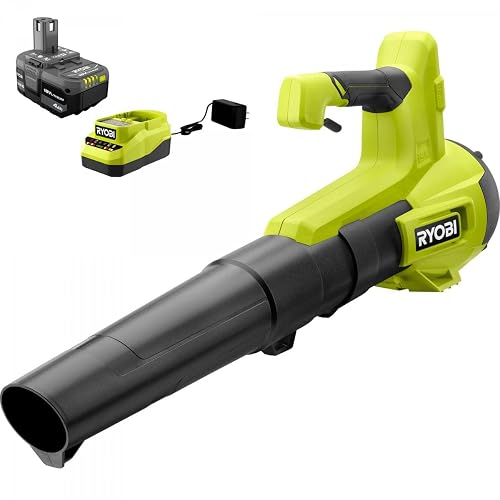
- Handheld blowers are light and easy to store. They suit small patios, driveways and decks, and they work well for quick passes after mowing.
- Backpack blowers carry the engine or battery on your back, which reduces arm fatigue. They make sense for yards over roughly a quarter acre or for anyone clearing debris for longer sessions.
- Blower-vacs add a suction tube and collection bag, and many can shred leaves when you switch modes. They are useful if you want to reduce the number of bags you haul to the curb.
If you are unsure which type fits, our overview of Leaf Blower Types: Handheld, Backpack and Blower-Vac explains the trade-offs in more detail.
Step 2: Choose a Power Source
Harbor Freight sells leaf blowers powered by gas, corded electric and cordless battery systems. Each has real trade-offs.
| Power source | Strengths | Limits |
|---|---|---|
| Gas | High airflow, no cord, works over large areas | Requires fuel mixing or pre-mixed fuel, starting effort, noise, maintenance |
| Corded electric | Consistent power, lightweight, low maintenance | Cord length limits range, tripping risk |
| Cordless battery | Quiet, no fuel, easy starting | Runtime depends on battery capacity, batteries add weight |
For a small suburban lot, a cordless or corded model is usually enough. For larger property or heavy wet leaves, gas tends to hold up better. Check the manufacturer’s runtime and airflow figures before deciding, and be cautious of marketing claims that do not list a test method.
Step 3: Compare Specs Before You Buy
Harbor Freight’s listings typically show a few key numbers. Learn what they mean so you can compare models fairly.
- Air speed (mph): Higher numbers move wet or matted leaves more effectively. Manufacturers often measure at the nozzle, so compare like with like.
- Airflow (CFM, cubic feet per minute): This indicates how much air moves. Airflow matters more than top speed for clearing large areas.
- Engine displacement (cc) or battery voltage and amp-hours: These reflect power and runtime. A higher amp-hour battery runs longer under the same load.
- Weight: Measure how long you can hold the blower at arm’s length. Many owners find anything over about 10 pounds becomes tiring during longer jobs.
- Noise level (dB): Check your local ordinances, since some towns restrict leaf blower use by time of day.
Step 4: Prepare the Machine and Start It Safely
Once you have bought your leaf blower, setup takes only a few minutes, but skipping steps causes most early problems.
For gas models
- Read the owner’s manual for the required fuel ratio. Many two-stroke engines need a specific oil-to-gas mix, while some four-stroke models run on straight gasoline.
- Mix fresh fuel in a labeled container and avoid stored gas older than about 30 days.
- Set the choke, prime the bulb a few times, then pull the starter cord with a firm, full stroke.
- Let the engine idle for a minute before using it under load.
For electric and cordless models
- Fully charge the battery and check the charger’s indicator light before use.
- Inspect the cord for nicks if corded, and use an outdoor-rated extension cord of appropriate gauge.
- Confirm the switch and any speed control work smoothly before heading outside.
Safety basics for every model
- Wear eye protection, hearing protection and closed shoes.
- Keep bystanders, pets and loose objects clear of the discharge path.
- Never point the nozzle at people or open windows, since the airflow can throw gravel and debris.
If you are unfamiliar with engine repairs or electrical faults, consult a professional technician before attempting anything beyond routine care.
Step 5: Use the Blower Efficiently
Good technique saves time and fuel. Work in overlapping passes, moving leaves toward a single collection point rather than scattering them across the lawn. Hold the nozzle about 6 to 12 inches above the ground for dry leaves and slightly lower for wet, matted debris. Sweep in a steady arc, and let the airflow do the work rather than pushing harder with the nozzle.
For wet leaves, make a first pass to loosen them, then a second pass to move them. If you have a mulching-capable blower-vac, our article on Leaf Blower Vac Mulcher: How to Choose and Use One for Fall Cleanup covers settings and bag management.
Step 6: Maintain the Blower Through the Season
- Gas models: Replace the air filter as the manual specifies, usually every 25 hours of operation or at the start of each season. Check the spark plug and drain old fuel before storage.
- Electric models: Clean air intake vents, which can clog with fine debris and cause overheating.
- Battery models: Store batteries at room temperature and avoid leaving them on the charger for extended periods.
- All models: Clear the tube and nozzle after each use and keep the unit dry before storing it in a shed or garage.
Owners who want a deeper look at upkeep for combustion models can read Gas Powered Leaf Blower Guide: Choosing and Using One (2026).
Common Mistakes to Avoid
- Buying on top speed alone. A high mph figure with low airflow may struggle with heavy leaves.
- Ignoring weight. A blower that feels fine in the store can become tiring after twenty minutes.
- Using old fuel. Stale gasoline is a leading cause of hard starting in gas models.
- Running a corded model on an undersized extension cord. This can overheat the cord and reduce power.
- Skipping filter cleaning. Clogged filters cut airflow and make the engine work harder.
Tips for Better Results
- Clear large sticks and gravel from the lawn first, since they can damage the impeller or launch at high speed.
- Work when leaves are dry when possible; wet debris is far heavier and slower to move.
- Keep a spare battery charged if you have a larger yard.
- Note your local noise restrictions and plan around them.
Recommended Gear
A few accessories make routine blowing safer and more efficient.
- Safety glasses protect your eyes from flying grit, which is the most common injury risk during blowing. View on Amazon
- Hearing protection is important for gas models, which can exceed comfortable noise levels over long sessions. View on Amazon
- A fuel mixing bottle with clear measurement markings helps you get the oil ratio right on two-stroke engines. View on Amazon
- An outdoor-rated extension cord keeps corded models running at full power without overheating. View on Amazon
FAQ
Is a Harbor Freight leaf blower good enough for a normal yard?
For a typical residential lot, many buyers find a handheld or cordless model adequate for patios, driveways and light lawn cleanup. Larger properties with heavy leaf loads usually need a backpack or gas model.
Should I choose gas or battery at Harbor Freight?
Choose gas for large areas and maximum airflow. Choose battery for quieter operation, easier starting and lower maintenance, provided your runtime needs fit within one charge.
How do I know which blower has more power?
Compare airflow (CFM) and air speed (mph) side by side, noting whether the manufacturer measured at the nozzle. Airflow generally matters more for moving leaves.
Do I need to mix oil with gas for a gas leaf blower?
Many two-stroke models require mixing oil with gasoline at a specified ratio. Four-stroke models usually do not. Always follow the owner’s manual.
How long should a cordless battery last?
Runtime varies by battery capacity, load and speed setting. Check the manufacturer’s stated runtime and expect shorter times at full power.
Can I use a leaf blower to clear snow?
Light, powdery snow can be moved with a blower, but wet or packed snow is usually too heavy. Our guide on Can a Leaf Blower for Clearing Snow Work? Limits and Best Uses explains the limits.
How often should I service my leaf blower?
Follow the manual, but most gas models need air filter checks and spark plug inspection at least once per season, while electric models need regular vent cleaning.
Conclusion
Buying a leaf blower at Harbor Freight is straightforward once you know which type, power source and specs fit your yard. Start by matching the blower to your property size, compare airflow and weight, and set up the machine carefully before use. Maintain it through the season and your blower will keep performing well for years.
Related reading
Ready to choose one?
About Caleb Morgan
Caleb Morgan is part of our editorial team and reviews and edits our garden hand tools & equipment guides, checking product details against manufacturer specifications and owner feedback.





Write Your Review
No reviews yet. Be the first to share your experience!