 By Caleb Morgan
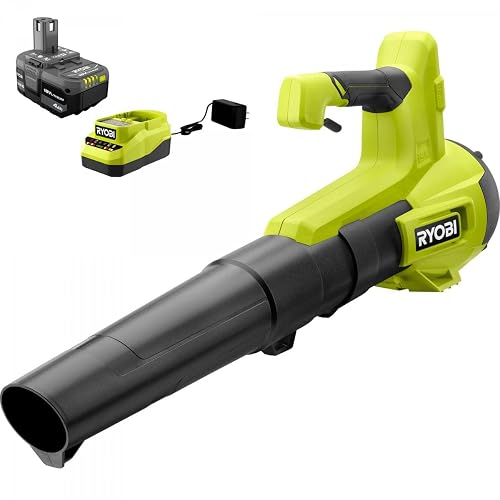
A Wood Ranger power leaf blower is a handheld or backpack-style tool built to move leaves, grass clippings and light debris across lawns, driveways and garden beds. This guide walks you through what to check before buying, how to set up and start a Wood Ranger power leaf blower safely, how to match airflow to your yard, and how to maintain it so it lasts. By the end, you should be able to pick the right model for your property and run it with confidence.
Step 1: Decide Which Power Source Fits Your Yard
Before comparing models, decide how you want to power the blower. Most leaf blowers in this category use either a two-stroke gasoline engine or a lithium-ion battery. Each has trade-offs in weight, noise, maintenance and runtime, and the right choice depends on how large your yard is and how often you will use the tool.
Shopping for one? See our guide: 6 Best Organic Leaf Blowers for Chemical-Free Yard Care in 2026.
Gas-powered models
Gas units deliver strong, sustained airflow and can run for as long as you have fuel. They suit larger properties, long driveways and heavy seasonal leaf drops. The downsides are startup effort, the need to mix fuel if your model uses a two-stroke engine, regular spark plug and air filter checks, and noise and exhaust.
Battery-powered models
Battery units start instantly, produce no exhaust, and are quieter to operate. Runtime depends on battery capacity and the power setting you choose. Owners often report that running the blower at full output drains a pack much faster than moderate speeds, so plan for one or two spare batteries on larger jobs.
Step 2: Understand Airflow Ratings Before You Buy
Manufacturers usually list two numbers for a leaf blower: air volume in cubic feet per minute (CFM) and air speed in miles per hour (MPH). They measure different things, and both matter.
- CFM describes how much air the blower moves. High CFM helps push large volumes of leaves or wet debris across a surface.
- MPH describes how fast the air leaves the nozzle. High MPH helps dislodge stuck or compacted debris.
As a rough guide, a small urban lot or patio with light leaf fall can be handled well at the lower end of the range. Half-acre yards with mixed trees usually benefit from mid-range CFM paired with solid MPH. Large properties or wet, matted leaves generally call for the upper end. Always compare the numbers the manufacturer publishes for the specific model, since figures are not standardized across brands.
Step 3: Check the Essentials Before Your First Use
Whether your Wood Ranger power leaf blower is new or used, run through this checklist before starting work:
- Read the owner’s manual, especially the sections on starting, shutting down and the warning labels.
- Confirm the air intake is clear of debris, grass and pet hair.
- Inspect the nozzle and tube for cracks or loose fittings.
- For gas models, verify you are using the fuel mix and grade the manufacturer specifies.
- For battery models, charge the pack fully and confirm it seats firmly in the tool.
- Check that the throttle trigger returns to idle and that the stop switch works.
- Put on hearing and eye protection, sturdy closed-toe shoes and long pants.
Step 4: Match the Blower to Your Cleanup Task
Different jobs call for different techniques. Using the right approach saves time and reduces wear on the motor.
| Task | Recommended setting | Technique |
|---|---|---|
| Dry leaves on lawn | Medium speed, wide sweep | Work in overlapping passes from the outside edge toward the center |
| Leaves in garden beds | Low to medium speed | Keep the nozzle low and angled to avoid stripping mulch |
| Wet or matted leaves | High speed, narrow nozzle | Use short bursts to loosen debris, then sweep in one direction |
| Driveway and walkways | Medium to high speed | Push debris to a collection area, then gather it for disposal |
| Gutters and corners | Narrow nozzle, high speed | Hold the tube steady and work slowly to avoid flinging debris back |
For larger leaf volumes, a blower works best alongside other tools. See Leaf Cleanup Tools: Mowing, Raking, Composting and Mulch for how these pieces fit together, and Leaf Vacuum Mulcher Guide: Blower-Vacs and Leaf Alternatives if you also want to collect and shred.
Step 5: Choose Between Handheld and Backpack Carry
Handheld models are lighter and easier to maneuver around shrubs and edges. Backpack models shift weight onto your back and typically deliver more power, which is useful on large lawns. If you are weighing these options, Leaf Blower Types: Handheld, Backpack and Blower-Vac explains the differences in more detail, and Backpack Leaf Blower Guide covers harness fit and balance.
Step 6: Start, Run and Shut Down Safely
Good habits at startup and shutdown prevent most common problems.
- Place the blower on flat, stable ground, away from grass clippings or debris that could be drawn into the intake.
- For gas models, prime the carburetor if the manual calls for it, set the choke, and pull the starter cord with a smooth, controlled motion. Do not drop the cord back against the housing.
- Let a gas engine warm briefly at idle before applying full throttle.
- Keep the nozzle pointed away from people, pets, windows and vehicles at all times.
- To stop, release the throttle to idle, allow the engine to settle, then engage the stop switch. For battery models, remove the pack after use.
- Let a gas engine cool before refueling. Never refuel a hot or running engine.
Step 7: Maintain the Blower for Long Service
Routine care keeps airflow strong and prevents breakdowns. Manufacturers generally specify these intervals, so follow the owner’s manual for exact figures.
- Clean or replace the air filter on a set schedule, more often in dusty conditions.
- For gas units, check the spark plug and replace it when the electrode is worn or fouled.
- Drain old fuel before long storage periods, or add a fuel stabilizer.
- Wipe down the housing and clear vents of grass and dust after each session.
- For battery units, store the pack at moderate charge in a cool, dry place and avoid leaving it in a hot vehicle.
Common mistakes
- Running at full throttle all the time. Full output uses more fuel or battery and generates more noise. Start at a lower setting and increase only when needed.
- Blowing debris toward neighbors or the street. Plan your sweep direction so material collects in one spot for easy pickup.
- Ignoring the air intake. A clogged intake reduces power and can cause overheating.
- Skipping hearing protection. Extended exposure to blower noise can damage hearing over time.
- Mixing fuel incorrectly. Using the wrong ratio or old fuel is one of the most common causes of starting trouble on two-stroke engines.
- Using the nozzle too close to the ground in mulch beds. This can strip mulch and expose roots.
Tips for better results
- Work when leaves are slightly damp rather than soaking wet, since damp leaves are heavier but still manageable.
- Clear the largest piles first while your energy is high.
- Keep a spare battery charged or a fuel can ready so a job is not interrupted.
- Use a wide nozzle for open lawns and a narrow one for edges and corners.
Recommended gear
- Ear protection rated for power equipment: Blower noise adds up over a long session, and proper hearing protection is a simple safeguard. View on Amazon
- Safety glasses with side shields: Flying grit and small debris can be blown back toward the operator, so eye protection matters. View on Amazon
- Spare lithium-ion batteries for your platform: On battery models, a second pack keeps you working through larger cleanups. View on Amazon
- Spark plug and air filter replacement kit: Keeping these parts fresh helps gas models start easily and hold power. View on Amazon
FAQ
Is a Wood Ranger power leaf blower suitable for wet leaves?
It can be, especially at higher speed settings. Wet leaves are heavier and stick to surfaces, so short bursts and a narrower nozzle usually work better than steady full-power sweeps.
How do I choose between CFM and MPH?
Look at both. CFM tells you how much material the blower can move, while MPH tells you how forcefully it dislodges stuck debris. Larger, open areas benefit from higher CFM, and matted or stubborn debris benefits from higher MPH.
How long should a battery last on a single charge?
Runtime depends on the battery capacity and the power setting you use. Manufacturers typically publish runtime estimates for specific settings, and running at lower speeds extends the charge considerably.
What fuel should I use in a gas model?
Follow the fuel grade and oil ratio in the owner’s manual. Many two-stroke engines require a specific premix ratio, and using old or incorrect fuel is a frequent cause of hard starting.
Can I use the blower in my garden beds?
Yes, but use a lower speed and keep the nozzle higher and angled away from the soil and mulch. This reduces the chance of stripping mulch or exposing plant roots.
How often should I service the blower?
Check the owner’s manual for the recommended schedule. As a general pattern, air filters need regular cleaning, spark plugs need periodic inspection on gas models, and the housing should be cleared after each use.
Is hearing protection really necessary?
For extended use, yes. Prolonged exposure to loud equipment can harm hearing, so wearing ear protection is a sensible precaution. If you notice ringing or discomfort, consult a healthcare professional.
Can a blower replace a rake completely?
Not always. A blower handles open lawns and driveways well, but heavy, wet or deep leaf layers often still need raking or collection tools. Combining both approaches usually gives the best results.
Conclusion
Choosing and using a Wood Ranger power leaf blower comes down to matching the power source and airflow to your yard, then following safe startup and maintenance habits. Pay attention to CFM and MPH together, pick the right setting for each task, and keep the intake, filter and nozzle clean. With those basics in place, your cleanup will be faster and the tool will last considerably longer.
Related reading
Ready to choose one?
About Caleb Morgan
Caleb Morgan is part of our editorial team and reviews and edits our garden hand tools & equipment guides, checking product details against manufacturer specifications and owner feedback.








Write Your Review
No reviews yet. Be the first to share your experience!