 By Caleb Morgan
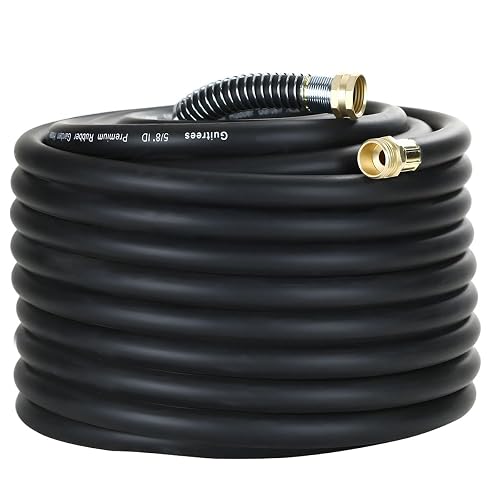
A garden hose 25 foot long is a practical choice for small yards, balconies, side gardens and patios where the spigot sits close to the plants. This guide shows you how to confirm that 25 feet actually reaches your beds, how to pick the right diameter and material for the job, and how to set it up so you keep good water pressure. By the end, you will know whether a 25 foot hose fits your space and how to get the most out of it.
When a 25 Foot Garden Hose Is the Right Length
A 25 foot hose is best for compact spaces. It handles a few raised beds, a container garden, a small lawn section or washing a car in the driveway. Once you go past roughly 50 feet of run, the hose becomes heavy to drag and the water pressure at the far end drops noticeably. Keeping the hose short is often the smartest way to protect flow.
Shopping for one? See our guide: 8 Best 100 Foot Garden Hoses for Large Yards (2026).
Before you buy, measure the distance from your outdoor spigot to the farthest spot you need to water. Add a few feet for bends, corners and the slack you will inevitably leave. If that total comes in under about 20 feet, a 25 foot hose gives you a comfortable margin. If you are close to 25 feet, consider stepping up, because a hose stretched to its full length tends to kink where it bends around planters and fences.
Measure Your Watering Route
Walk the route you normally take with the hose. Stop at each point where you would turn, step over a border or go around a tree. Measure the straight segments with a tape measure and add them together. Most homeowners find that real routes are about 15 to 20 percent longer than the straight-line distance on a map.
Choosing Diameter and Material
Once you know the length works, the next decisions are diameter and material. These two factors do more to shape performance than length alone.
Diameter
The most common residential sizes are 1/2 inch and 5/8 inch. A 1/2 inch hose is lighter and easier to store, and it works well for hand watering, filling buckets and light cleaning. A 5/8 inch hose moves more water per minute, which helps when you use a spray nozzle at the far end or run sprinklers. For a 25 foot length, 5/8 inch is often the better all-round choice because the extra bore offsets the small pressure loss that occurs over a short run.
Material
Garden hoses are typically made from vinyl, rubber, hybrid blends or polyurethane. Vinyl is the lightest and least expensive, but it can stiffen in cold weather and crack with age. Rubber is heavier and more flexible in the cold, with good resistance to kinking. Hybrid and reinforced blends aim to combine light weight with durability. If you are concerned about what the hose is made from, especially if you grow edible plants or fill pet bowls, read the manufacturer’s material and drinking-water safety information before you buy. Look for labels that state the hose meets relevant drinking-water standards.
Step-by-Step Setup for Best Flow
Setting up a 25 foot hose correctly keeps pressure steady and prevents damage to the fittings.
- Turn the spigot off, then attach the hose to the faucet and hand-tighten the coupling. Do not use pliers, which can crack plastic threads.
- Lay the hose out straight for a few minutes before turning on the water. This removes twists that would otherwise cause kinks.
- Open the spigot slowly to about half its travel. Check the connection for drips.
- Inspect the hose for leaks along its length and at each fitting. Tighten or replace washers as needed.
- When you finish, shut off the spigot first, then open the nozzle to release pressure before coiling the hose.
Tools and Supplies You May Need
- A tape measure for checking your run
- Replacement rubber washers for the hose couplings
- A hose spigot adapter if your faucet has an unusual thread size
- A hose hanger or reel to keep the hose off the ground
- A spray nozzle with adjustable settings
Keeping Water Pressure Strong Over 25 Feet
Water pressure in a short hose is rarely a problem, but a few habits make a difference. Keep the hose laid straight rather than coiled tightly on the ground, since coils trap heat and can kink. Avoid running the hose over sharp edges. If your home’s pressure is naturally low, a 5/8 inch hose will deliver more volume than a 1/2 inch hose of the same length. Many owners also report better flow after flushing sediment from the spigot by opening it briefly before attaching the hose.
Common Mistakes
- Buying a 25 foot hose when your real route is 25 feet or more. Measure first, and round up.
- Leaving the hose in full sun all day. Heat stiffens vinyl and can shorten its life.
- Storing the hose wet and coiled, which encourages mildew and kinks.
- Overtightening plastic couplings, which strips threads.
- Forgetting to drain the hose before winter, which can cause freeze damage.
Tips for Longer Hose Life
- Drain the hose after every use and store it in shade or a shed.
- Use a hose hanger so the hose does not drag across concrete or gravel.
- Check the washers every season and replace any that are cracked or flattened.
- Disconnect the hose before a hard freeze, or follow your region’s winterizing guidance.
Recommended gear
A 25 foot hose works best with a few accessories that protect it and improve how you use it. Consider these options:
- Wall-mounted hose storage keeps a short hose off the ground and prevents kinks, which is especially helpful in tight spaces. View on Amazon
- A adjustable spray nozzle lets you switch between gentle watering and a firmer spray without changing hoses. View on Amazon
- Replacement hose washers are inexpensive and stop leaks at the couplings before they waste water. View on Amazon
For more detail on storage and accessories, see Wall Mounted Garden Hose Reels: 8 Best Picks for Tidy Storage (2026) and Best Garden Hose Nozzles for Watering: 6 Nozzles Compared.
FAQ
Is a 25 foot garden hose long enough for most yards?
It is enough for small yards, patios, balconies and garden beds close to the spigot. Larger lawns usually need 50 feet or more. Measure your route to decide.
Is a 1/2 inch or 5/8 inch hose better for 25 feet?
A 5/8 inch hose delivers more water volume and is often the better choice for spray nozzles and sprinklers. A 1/2 inch hose is lighter and easier to handle for hand watering.
Does a 25 foot hose reduce water pressure?
Pressure loss over 25 feet is small, so most users will not notice a meaningful drop. Your home’s base water pressure matters more than the hose length at this distance.
What is the best material for a 25 foot hose?
Rubber resists cold and kinks well but is heavier. Vinyl is light and inexpensive but can stiffen and crack. Hybrid blends try to balance both. Choose based on your climate and how often you move the hose.
Can I use a 25 foot garden hose for drinking water?
Only use a hose labeled as meeting drinking-water safety standards, and check the manufacturer’s specifications. If you have questions about water safety, consult a local water quality professional.
How do I stop a 25 foot hose from kinking?
Lay it straight before turning on the water, avoid sharp bends, and store it on a reel or hanger rather than tightly coiled on the ground.
How long does a 25 foot garden hose last?
Lifespan depends on material, sun exposure and storage habits. Draining it after use and keeping it out of direct sun generally extends its life.
Can I connect two 25 foot hoses together?
You can join them with a female-to-female coupling, which gives you about 50 feet. Expect some pressure loss, and use a 5/8 inch hose for better flow.
Conclusion
A garden hose 25 foot long suits compact spaces well when you measure your route first and match the diameter to your needs. Choose 5/8 inch for stronger flow and rubber or a hybrid blend for durability. Drain the hose after use, store it out of the sun, and check the washers regularly to keep it working for years.
Related reading
- Zero-G Ultra Flexible Durable Garden Hose Review: Pros and Cons
- Zero G Garden Hose Review: Pros, Cons and Who It Suits
Ready to choose one?
About Caleb Morgan
Caleb Morgan is part of our editorial team and reviews and edits our garden hand tools & equipment guides, checking product details against manufacturer specifications and owner feedback.





Write Your Review
No reviews yet. Be the first to share your experience!