 By Lauren Holland
Updated November 2026
Shopping for a troy-bilt tiller for sale can mean wading through dozens of similar listings, and it is easy to end up with a machine that is too heavy, too small or wrong for your soil. This list compares 10 tillers across the Troy-Bilt and comparable garden-tiller lineup, based on product listings, brand reputation and common owner feedback patterns. The selection criteria are tilling width and depth, rear versus front tine layout, engine type and whether the unit suits small beds or larger plots.
Our top picks at a glance
- 1
 TOP CHOICEBest overallEARTHQUAKE Victory Rear Tine TillerView on Amazon
- 2
 TOP CHOICEBest for light weedingTroy-Bilt Gas Garden Tiller TB225View on Amazon
- 3
 TOP CHOICEBest for flower bedsEARTHQUAKE 20015 Versa 2-in-1 Tiller CultivatorView on Amazon
- 4
 Best for mid-size plotsEARTHQUAKE 46059 Pioneer Dual Direction Rear Tine TillerView on Amazon
- 5
 Best for tough soilPoulan Pro Dual Direction Rear Tine Tiller, 212cc 4 Cycle Gas Engine,View on Amazon
- 6
 Best for wide rowsForward and reverse controls, 4-cycle engine, heavy-duty steel tines,View on Amazon
- 7
 Best for compact spacesBILT HARD 46cc 4-Cycle 1.9HP Gas Powered Tiller Cultivator – 16" HeavyView on Amazon
- 8
 Best for small to large gardensNOVUS 18-Inch Dual Direction Rear Tine Tiller, 212cc 4-Cycle Gas EnginView on Amazon
- 9
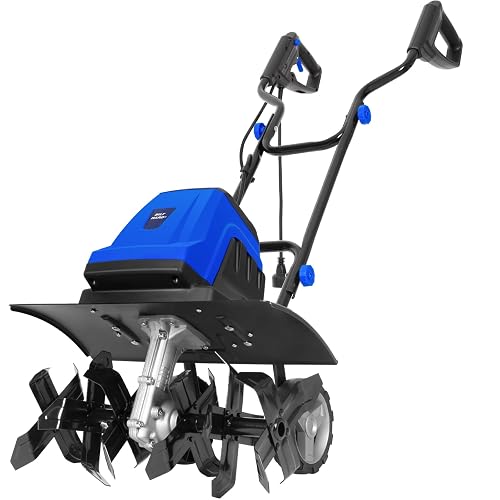 Best for electric powerBILT HARD 18 Inch Electric Tiller Cultivator, Corded 15 Amp 6 Steel TiView on Amazon
- 10
 Best for light front-tine work35310 2-in-1 Front Tine Tiller/Cultivator, 79cc 4-Cycle Viper Engine,View on Amazon
Our Top Picks
Quick Comparison
| Product | Best for | Key feature |
|---|---|---|
| EARTHQUAKE Victory Rear Tine Tiller | Overall use | 209cc 4-cycle engine |
| Troy-Bilt Gas Garden Tiller TB225 | Light weeding | 2-cycle 25cc engine |
| EARTHQUAKE 20015 Versa 2-in-1 | Flower beds | Tiller and cultivator modes |
| EARTHQUAKE 46059 Pioneer | Mid-size plots | 17-inch tilling width |
| Poulan Pro Dual Direction Tiller | Tough soil | Dual rotating tines |
| Pulsar 20-Inch Rear Tine Tiller | Wide rows | 20-inch tilling width |
| BILT HARD 46cc Tiller Cultivator | Compact spaces | Adjustable wheels |
| NOVUS 18-Inch Rear Tine Tiller | Small to large gardens | Full gear transmission |
| BILT HARD 18 Inch Electric Tiller | Electric power | Corded 15-amp motor |
| 35310 2-in-1 Front Tine Tiller | Light front-tine work | Forged steel tines |
EARTHQUAKE Victory Rear Tine Tiller
EARTHQUAKE Victory Rear Tine Tiller, Powerful 209cc 4-Cycle Viper Engine, Rugged Bronze Gear Transmission, Counter-Rotating Tines, Instant Reverse, Pneumatic Wheels, Model: 39381, Red/Black
Best for: Overall use
A strong all-round choice for homeowners who work in mixed or established soil and want a rear tine machine with reverse capability.
Pros
- 209cc 4-cycle engine with a bronze gear transmission
- Instant reverse and pneumatic wheels
Cons
- Heavier than light cultivators
Troy-Bilt Gas Garden Tiller TB225
Troy-Bilt Gas Garden Tiller, 2-Cycle 25cc (TB225)
Best for: Light weeding
Suited to gardeners maintaining loosened beds who want a simple, compact gas tiller from the brand you are searching for.
Pros
- Brand name with a familiar parts network
- Lightweight 2-cycle design for easy handling
Cons
- Small engine struggles in dense or compacted ground
EARTHQUAKE 20015 Versa 2-in-1 Tiller Cultivator
EARTHQUAKE 20015 Versa 2-in-1 Tiller Cultivator with a 99cc 4-Cycle Viper Engine, 2-in-1 Front Tine Tiller and Cultivator, Removable Side Shields and Outer Tines
Best for: Flower beds
Works well for gardeners who alternate between tilling new ground and cultivating between existing plantings.
Pros
- Switches between tiller and cultivator modes
- Removable side shields help when working near borders
Cons
- Narrower working path than rear tine models
EARTHQUAKE 46059 Pioneer Dual Direction Rear Tine Tiller
Earthquake® 46059 Pioneer™ Dual Direction Rear Tine Tiller, Powerful 127cc 4-Cycle Briggs and Stratton® Engine, Instant Reverse, 17” Tilling Width, 11” Tilling Depth, Frustration Free Shifting
Best for: Mid-size plots
A good match for owners preparing a vegetable plot of a few hundred square feet who want frustration-free gear shifting.
Pros
- 17-inch tilling width covers plots efficiently
- Dual direction with instant reverse
Cons
- Requires regular oil and air filter checks
Buying Guide
Rear Tine vs. Front Tine Layout
Rear tine tillers pull themselves forward and tend to handle tough, compacted ground and larger plots more easily, though they can be harder to control in tight spaces. Front tine models are usually lighter and more maneuverable, which suits smaller beds, raised gardens and general cultivating between rows.
Engine Type: Gas, 2-Cycle, 4-Cycle or Electric
Four-cycle gas engines generally run smoother, need less frequent mixing of fuel and oil, and are the common choice for regular use. Electric models are quieter and easier to start but depend on a nearby outlet and an extension cord, which limits where you can work.
Tilling Width and Depth
Wider tilling paths cover ground faster, while narrower models fit into tight beds and between plants. Check the stated tilling depth as well, since a deeper cut helps break up hard soil and work in compost, but also demands more power from the engine.
Reverse Function and Ease of Shifting
Instant reverse lets you back out of a dense patch or unstick the tines without lifting the machine, which saves real effort over a long session. Smooth, easy-to-reach shift controls matter more than many buyers expect once they are working through a full day of tilling.
Tire Type and Overall Weight
Airless or pneumatic wheels each handle rough, uneven ground differently, so consider the terrain you plan to cross. Weight also affects how well you can lift, transport and store the tiller, so match it to your strength and the size of your storage space.
FAQ
Is a Troy-Bilt tiller worth buying for a small backyard garden?
For a small garden, a lighter front tine or compact rear tine model is usually the better fit, since it is easier to handle and store. Choosing a model with a manageable tilling width keeps the work efficient without overwhelming the space.
What is the difference between a tiller and a cultivator?
A tiller is designed to break up hard, compacted soil to a greater depth, while a cultivator works more shallowly to loosen soil and remove weeds between plants. Some models, including 2-in-1 designs, can perform both jobs depending on how the tines are set.
Should I choose a 2-cycle or 4-cycle engine?
Four-cycle engines are typically quieter, smoother and more convenient because they do not require mixing oil into the fuel. Two-cycle engines are lighter and simpler, but they need careful fuel mixing and are generally used for smaller, lighter-duty jobs.
Are electric tillers strong enough for hard soil?
Electric tillers work well in loose or previously worked soil and are a good choice for light, regular maintenance. For heavy clay or long-untilled ground, a gas model with more power is usually more effective.
Do I need to maintain a tiller regularly?
Yes, routine care such as checking the oil, cleaning the air filter, inspecting the tines and keeping the blades free of debris helps the machine run reliably. Storing it dry and with fresh fuel handled properly also prevents many common starting problems.
Conclusion
If you have a large plot or tough, compacted ground, a rear tine gas tiller with a strong four-cycle engine and reverse function is the better match for the job. Buyers with small beds or limited storage will usually be happier with a lighter front tine or electric model that is easy to handle.
Match the machine to your soil, space and physical comfort rather than choosing on size alone. Once you know those three factors, the right Troy-Bilt or comparable tiller on this list should be clear.
Related reading
- Troy Bilt Super Bronco Rear Tine Tiller: Setup, Use and Care Guide
- Troy Bilt Horse Tiller Parts: How to Find and Replace Them
- Parts for Troy-Bilt Tiller: How to Find, Identify and Replace Them
- Mtd Troy-bilt Tiller Parts: A Practical Guide (2026)
About Lauren Holland
Lauren Holland is part of our editorial team and reviews and edits our garden hand tools & equipment guides, checking product details against manufacturer specifications and owner feedback.


