 By Caleb Morgan
Updated November 2026
Finding the right pruning shears for tall trees comes down to reach, cutting capacity and how much effort you want to spend at the top of a ladder or at arm’s length overhead. The picks below were compared on the points that matter most for this job: effective working length, cutting diameter, the type of cutting mechanism, how the tool is powered, and how easy it is to control when you are reaching into a canopy. Each entry also notes the practical limits of the design, so you can match the tool to the branches you actually need to cut.
Our top picks at a glance
- 1
 TOP CHOICEBest overallSuchtale 10FT Pole Saw for Tree Trimming, Manual Tree Pruner with SawView on Amazon
- 2
 TOP CHOICEBest for powered cutting2-in-1 Electric Pruning Shears Cordless with Pole, Brushless MotorView on Amazon
- 3
 TOP CHOICEBest for a complete kitGARTOL 3-Piece Garden Tool Set – Bypass Lopper, Hedge Shears, Pruning ShearsView on Amazon
- 4
 Best for precision workFelco F2 Pruning Shears – 9.25" Swiss-Made Garden ClippersView on Amazon
- 5
 Best budget pickFiskars 6" Non-Stick Pruning Snips, Steel Blades and SoftGrip HandlesView on Amazon
- 6
 Best for compound leverageTree Pruner with Compound Action, Long Handle Pruning ShearsView on Amazon
Our Top Picks
Quick Comparison
| Product | Best for | Key feature |
|---|---|---|
| Suchtale 10FT Pole Saw for Tree Trimming, Manual Tree Pruner with Saw | Mixed pruning and sawing overhead | Pruning shears plus a saw blade on one pole |
| 2-in-1 Electric Pruning Shears Cordless with Pole | Powered cuts at height | Brushless motor with two battery packs |
| GARTOL 3-Piece Garden Tool Set | Buyers wanting several tools at once | Telescopic aluminum handles on bypass and hedge tools |
| Felco F2 Pruning Shears | Precise cuts on small to medium limbs | Replaceable parts and a precision bypass blade |
| Fiskars 6″ Non-Stick Pruning Snips | Light trimming and flower buds | Spring-assisted action and SoftGrip handles |
| Tree Pruner with Compound Action, Long Handle Pruning Shears | Thicker branches on extended poles | Compound leverage with a 1.6″ cutting capacity |
Suchtale 10FT Pole Saw for Tree Trimming, Manual Tree Pruner with Saw
2-in-1 manual pole saw with pruning shears and saw blade for high branches, fruit trees, palms, shrubs and yard trimming. Suchtale 10FT Pole Saw for Tree Trimming, Manual Tree Pruner with Saw
Best for: Overhead pruning and sawing on a single manual tool For a deeper look, 6 Best Pruning Shears for Vegetable Garden Use (2026) covers this in detail.
This pole tool suits homeowners who have a mix of jobs, such as thinning a fruit tree, clearing a palm frond, and taking down a dead limb. Because it combines shears and a saw blade on one pole, you do not need to swap tools halfway through a job.
Key specs
- Listed as a 10-foot manual pole pruner
- Combined pruning shears and saw blade
- Suited to high branches, fruit trees, palms and shrubs
Pros
- Covers pruning and sawing without a second tool
- No battery or charging to manage
- Useful reach for branches well above ground level
Cons
- Manual effort increases on thicker limbs
- Pole length makes precise control harder at full extension
Bottom line: A strong choice for homeowners who want one manual tool for mixed overhead trimming and light sawing.
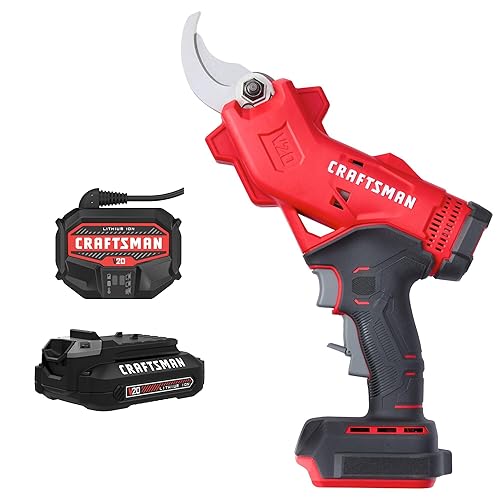
2-in-1 Electric Pruning Shears Cordless with Pole, Brushless Motor
2-in-1 Electric Pruning Shears Cordless with Pole, 2.1" Cutting Diameter Pole Pruning Shears, Brushless Motor, Extra Blade, 2 * 2Ah Batteries, 2 Modes Adjustable Pruning Shears for Tree Flower
Best for: Powered cutting at height without a ladder
This option fits people who regularly cut tree and shrub growth above head height and want less hand strain. Owners of powered pole tools often report that the motor does most of the work on repeated cuts, though battery runtime becomes the limiting factor on large jobs.
Key specs
- Listed cutting diameter of 2.1 inches
- Brushless motor
- Two 2Ah batteries included, with an extra blade
- Two adjustable operating modes
Pros
- Reduces manual effort on repeated overhead cuts
- Spare battery supports longer sessions
- Includes an extra blade for maintenance
Cons
- Battery runtime limits large pruning sessions
- Heavier than manual poles, which can tire the arms over time
Bottom line: Best for gardeners who need to cut many overhead branches and are comfortable managing battery charging.
GARTOL 3-Piece Garden Tool Set – Bypass Lopper, Hedge Shears, Pruning Shears
GARTOL 3-Piece Garden Tool Set – Bypass Lopper, Hedge Shears, Pruning Shears with Telescopic Aluminum Handles, Extendable Heavy-Duty Branch Cutters, Garden Clippers for Branches, Shrubs, and Hedges
Best for: Buyers who want a full set of extendable cutting tools
This set suits someone starting from scratch who wants a lopper, hedge shears and pruning shears with telescopic handles. It covers branches, shrubs and hedges in one purchase, which makes it practical for mixed garden maintenance.
Key specs
- Three tools: bypass lopper, hedge shears, pruning shears
- Telescopic aluminum handles
- Designed for branches, shrubs and hedges
Pros
- Several tools cover a range of cutting heights and sizes
- Extendable handles reach higher branches without a ladder
- Aluminum construction keeps weight manageable
Cons
- Telescopic joints need periodic checking for play or slippage
- Blade quality in sets can vary between the individual tools
Bottom line: A practical starter kit for homeowners who want multiple extendable tools rather than a single specialist pair.
Felco F2 Pruning Shears – 9.25″ Swiss-Made Garden Clippers
FELCO F2 Pruning Shears – 9.25" Swiss-Made Garden Clippers for Professional Pruning | Hand Pruners for Gardening | Garden Tool Cutter with Precision Bypass Blade, Aluminum Body, Replaceable Parts
Best for: Precise cuts on small to medium limbs
The F2 is a hand-held bypass pruner rather than a pole tool, so it is best for branches you can reach from the ground or a stable step. Its reputation rests on clean bypass cuts and the availability of replacement parts, which matters for long-term use.
Key specs
- Overall length of 9.25 inches
- Swiss-made bypass blade
- Aluminum body with replaceable parts
Pros
- Clean bypass cuts that minimize bark damage
- Replaceable blades and springs extend tool life
- Comfortable grip for repeated use
Cons
- Not a pole tool, so it does not reach tall branches on its own
- Limited to smaller cutting diameters than loppers
Bottom line: Pick this if your work is mostly precision cutting and you are pairing it with a pole or lopper for higher growth.
Fiskars 6″ Non-Stick Pruning Snips, Steel Blades and SoftGrip Handles
Garden Shears for Weeds, Flower Buds & Small Plants, Steel Blades Stay Sharp, Easy Action Spring, SoftGrip Handles Fiskars 6" Non-Stick Pruning Snips, Resin-Resistant Garden Scissors
Best for: Light trimming and budget-minded upkeep
These small snips are designed for weeds, flower buds and soft growth rather than thick limbs. They are a useful companion tool for finishing work around the base of a tree or along low shrubs, but they do not replace a pole for high branches.
Key specs
- 6-inch overall length
- Steel blades with non-stick coating
- Spring-assisted easy action and SoftGrip handles
Pros
- Light and easy to control for fine work
- Non-stick blades help reduce sap buildup
- Budget-friendly option for basic maintenance
Cons
- Cutting capacity is too small for mature tree limbs
- No extension, so reach is limited to arm’s length
Bottom line: A useful secondary tool for light finishing work, not a primary choice for tall trees.
Tree Pruner with Compound Action, Long Handle Pruning Shears
Tree Pruner with Compound Action, 1.6" Clean Cut Capacity Tree Clippers, Long Handle Pruning Shears for Gardening & Yard Work Loppers for Tree Trimming Heavy Duty, Extendable 21-26" Branch Cutter
Best for: Thicker branches on an extended manual pole
This model uses compound leverage, which multiplies the force you apply to the handles. That makes it better suited to thicker limbs than standard snips, and the extendable pole covers a range of working heights.
Key specs
- Listed cutting capacity of 1.6 inches
- Compound action for added leverage
- Extendable pole listed at 21 to 26 inches
Pros
- Compound action reduces effort on thicker branches
- Extendable length adjusts to the work height
- Sturdy construction for repeated pruning
Cons
- Extended pole flexes more at full length
- Cutting capacity is modest compared with a true pole saw
Bottom line: A good fit for someone cutting moderate-sized branches who wants leverage without a powered tool.
Buying Guide
Reach and Pole Length
Measure the highest branch you need to cut and add about 2 feet for the working position below it. Pole length affects control: longer poles are harder to aim and flex more at full extension. Choose the shortest pole that reaches your target comfortably.
Good picks for this: Suchtale 10FT Pole Saw; Tree Pruner with Compound Action
Cutting Capacity
Check the maximum branch diameter the tool is rated for. Manufacturers typically list this as a diameter in inches. Cutting above the rated capacity strains the blade and can cause the tool to slip. For branches close to the rated limit, a saw or a compound lopper is usually safer than forcing bypass shears.
Good picks for this: 2-in-1 Electric Pruning Shears Cordless with Pole; Tree Pruner with Compound Action
Cutting Mechanism
Bypass blades make clean, scissor-like cuts that suit living wood. Anvil blades crush wood against a flat surface and are better for deadwood, but they can bruise live stems. For tall-tree work, most owners prefer bypass action for healthy growth.
Good picks for this: Felco F2 Pruning Shears; GARTOL 3-Piece Garden Tool Set
Power Source
Manual poles need no charging and have no runtime limit, but they demand more arm strength. Cordless electric models reduce effort on repeated cuts, yet battery life and charging time become part of the workflow. Consider how many cuts you expect per session before choosing.
Good picks for this: 2-in-1 Electric Pruning Shears Cordless with Pole; Suchtale 10FT Pole Saw
Weight and Balance
Weight at the end of a pole is what tires your arms. Lighter aluminum or composite construction helps, and a balanced head makes overhead cuts easier to hold steady. Test the tool’s balance by holding it at full reach before a long job if you can.
Good picks for this: GARTOL 3-Piece Garden Tool Set; Tree Pruner with Compound Action
Durability and Replaceable Parts
Blades dull and springs wear, so a tool with replaceable components is easier to keep in service. Check whether blades can be sharpened or swapped, and whether the manufacturer lists spare parts. Keep blades clean and dry after use to slow corrosion.
Good picks for this: Felco F2 Pruning Shears; 2-in-1 Electric Pruning Shears Cordless with Pole
Use Case and Tree Type
Fruit trees, palms and shrubs each call for different cuts. Palm fronds and dead wood may need a saw, while fruit tree thinning benefits from clean bypass cuts. Match the tool to your most frequent job rather than to the one you do least often.
Good picks for this: Suchtale 10FT Pole Saw; Fiskars 6″ Non-Stick Pruning Snips
FAQ
What length pruning shears do I need for a tall tree?
Measure the height of the branch you want to cut, then choose a pole that reaches it while leaving you a stable working position. Many homeowners find that a pole in the 10-foot range covers typical yard trees, but very tall specimens may require a professional.
Can pruning shears cut thick tree branches?
Standard bypass shears are rated for small diameters, often under an inch. For thicker limbs, use a compound lopper or a pole saw. Forcing shears beyond their rated capacity can damage the blade or the tool.
Should I use bypass or anvil blades on a tall tree?
Bypass blades are generally preferred for live branches because they make cleaner cuts. Anvil blades can crush living tissue, so reserve them for dead wood if you use them at all.
Are electric pruning shears worth it for tall trees?
Powered models reduce effort on repeated overhead cuts. They do require charging and battery management, so they suit people who expect to make many cuts per session.
When should I hire a professional arborist?
Any work near power lines, very large limbs, or branches that are unstable or diseased should be left to a trained professional. Consult a certified arborist before attempting high or hazardous removals.
How do I keep pruning shears sharp?
Clean sap from the blades after each use, dry them to prevent rust, and sharpen the bevel with a fine file or sharpening stone. Replace worn springs and blades when cutting becomes ragged.
Conclusion
For mixed overhead trimming with one manual tool, the Suchtale pole saw is a practical choice. If you cut many branches above head height and can manage battery charging, the cordless electric pole is the better option. Buyers wanting several extendable tools at once may prefer the GARTOL set, while the Felco F2 suits precision work when paired with a pole. The Fiskars snips are a light companion tool, and the compound-action pruner fits moderate branches. Match the tool to your highest cut, your typical branch size and how much effort you are willing to spend.
Sources
- Safety guidance on ladder and overhead work to reduce fall risk (cdc.gov)
- Workplace safety standards for tools and working at height (osha.gov)
- Research-based guidance on pruning and tree care from university extension programs (extension.org)
Before you buy: helpful guides
Related reading
- Top 4 Telescoping Pole Pruning Shears Compared for Tall Branches and Trees
- Top 3 Long Handle Electric Pruning Shears for Tall Hedges and Trees
- Pruning Shears with Extension: 5 Best Picks for Tall Trees and Shrubs
About Caleb Morgan
Caleb Morgan is part of our editorial team and reviews and edits our garden hand tools & equipment guides, checking product details against manufacturer specifications and owner feedback.