 By Caleb Morgan
A leaf blower vac mulcher is a single machine that moves leaves, sucks them up through a tube and chops them into small pieces in a collection bag or hopper. Used well, it turns a pile of fall debris into fine mulch you can spread on beds or add to a compost pile, and it cuts the volume of yard waste you haul away. This guide explains how the machine works, how to set it up, what to look for when buying, and how to run it safely and efficiently.
What a Leaf Blower Vac Mulcher Does
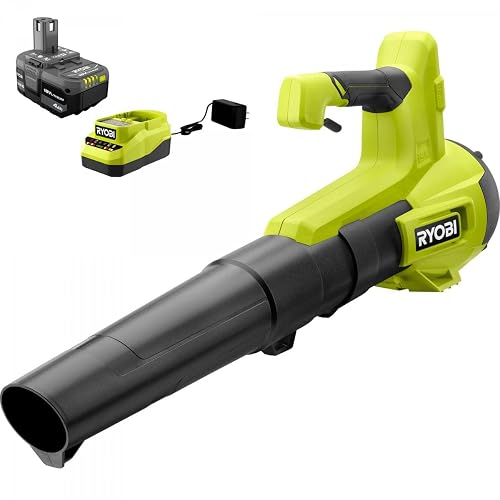
Most units on the market combine three functions in one housing. In blower mode, a fan pushes air out of a tube to move leaves across the lawn or into windrows. In vacuum mode, the fan reverses direction so the tube pulls debris in. In mulch mode, the debris passes through an impeller with fixed or swinging blades that chop it before it lands in a bag. Some models are handheld, while others are backpack or wheeled units; the core mechanism is the same.
Shopping for one? See our guide: Black and Decker Leaf Blower Vac: Which Model Should You Choose? (2026).
The mulching step is what sets these machines apart from a plain blower. Chopped leaves compact much less than whole leaves, so a bag holds a larger real volume of material and needs emptying less often. The fine output also breaks down faster on the ground, which is why many owners use it for beds rather than sending the material to the curb.
Understanding the Key Specifications
Manufacturers usually list three numbers that matter for leaf work: air volume in cubic feet per minute (CFM), air speed in miles per hour (MPH), and, for mulching, the reduction ratio. A higher CFM moves more leaves per pass, while a higher MPH helps lift wet or matted debris. Reduction ratio, often shown as something like 10:1, is the approximate factor by which the volume shrinks after mulching. Treat it as a rough guide, since results depend on how dry and clean the leaves are.
Power source also shapes the experience. Corded electric units are light and quiet enough for small yards but limit your range. Battery models remove the cord, and their runtime depends on battery capacity and whether you run the machine on high. Gas engines offer the most power and runtime for large properties, at the cost of more noise, maintenance and exhaust.
Before You Start: Preparation Checklist
Good results start before the machine is switched on. Work through this list first.
- Mow or rake the largest debris, such as sticks, pinecones and large branches, and remove them by hand.
- Check that leaves are reasonably dry. Wet, matted leaves clog the impeller and reduce output.
- Inspect the bag or collection chamber for tears and confirm the latch or zipper seals.
- Charge the battery or fill the fuel tank with the fuel type the manufacturer specifies.
- Wear eye protection, hearing protection, gloves and closed-toe shoes.
- Clear the work area of pets, children, and loose objects that could be thrown.
- Set aside a clean, dry place to store or spread the finished mulch.
Step-by-Step: Using the Machine for Mulch
- Attach the tube and select the mode. Connect the intake tube and fit the collection bag. Set the unit to vacuum mode and confirm the bag is seated.
- Start at the far edge of the area. Work toward your collection point so you are not stepping on debris you have already moved.
- Use a sweeping motion. Hold the tube about 6 to 12 inches above the ground and sweep in arcs, letting the intake pull leaves in. Pushing the tube into a thick pile slows the airflow.
- Work in thin layers. A layer about 2 to 3 inches deep is easier for the machine to handle than a deep drift, which tends to jam.
- Watch the bag. Stop when the bag is about two-thirds full. Overfilling strains the seams and reduces airflow.
- Empty and reset. Shut the engine or motor off before removing the bag. Empty the chamber, check for debris lodged in the impeller, and reattach the bag.
- Spread the mulch. Lay the finished material about 2 to 3 inches thick on beds or add it to a compost bin in alternating layers with green material such as grass clippings.
Comparing Common Setups
The right configuration depends on how much ground you cover and how much physical effort you want to spend. The table below summarizes typical trade-offs.
| Setup | Best for | Main trade-off |
|---|---|---|
| Corded electric handheld | Small lots and patios | Cord length limits reach |
| Battery handheld | Medium yards with mixed beds and lawn | Runtime drops on high power |
| Gas backpack | Large properties and heavy fall loads | Noise, fuel and maintenance |
| Wheeled or walk-behind | Long lawns and frequent collection | Bulkier to store |
Choosing the Right Unit
When you compare models, look past the marketing and focus on details that affect daily use. Check the bag capacity and whether the bag has a shoulder strap or a rigid frame. Look at the weight with the bag full, since that is the load you will carry. Confirm the mulching ratio if the manufacturer publishes one, and read owner feedback about whether the impeller clogs with damp leaves. Variable speed control is useful because it lets you use a gentle setting on lawn edges and full power for heavier drifts.
If you already own a blower, check whether a vac kit or mulching attachment fits it. Some manufacturers sell conversion kits, but compatibility varies, so confirm with the specific model number before buying.
Common Mistakes
- Running it on wet leaves. Damp material clumps and blocks the intake. Wait for a dry day when possible.
- Mulching large sticks. Branches thicker than a pencil can jam the blades and damage the impeller. Remove them first.
- Overfilling the bag. A full bag reduces airflow and can split at the seams.
- Ignoring the intake screen. Clean the screen and inspect the impeller regularly, especially after mulching sap-heavy material like maple or pine needles.
- Spreading mulch too thick. A layer deeper than about 3 inches can mat down, shed water poorly and limit airflow to the soil.
- Skipping hearing protection. Mulching modes are often louder than blowing alone, and extended exposure is harmful.
Tips for Better Results
- Mulch in passes. Two light passes often clear an area faster than one heavy pass.
- Add a handful of nitrogen-rich material, such as grass clippings, when composting chopped leaves so the pile breaks down evenly.
- Store the unit with the battery removed or the fuel drained if you will not use it for several months.
- Sharpen or replace worn impeller blades according to the manufacturer’s schedule to keep the chopping effective.
Recommended gear
A good pair of safety glasses and hearing protection makes a noticeable difference during long sessions. Look for ANSI-rated eye protection and earmuffs or plugs with a clear noise reduction rating. View on Amazon
Work gloves with a textured grip help you handle the intake tube and bag. Choose a pair with reinforced palms for better durability. View on Amazon
A sturdy tarp makes it easy to transport chopped leaves and clear work areas without tracking debris. View on Amazon
Related Reading
If you are still deciding which machine fits your yard, Leaf Vacuum Mulcher Guide: Blower-Vacs and Leaf Alternatives compares the main categories side by side. For handheld and backpack comparisons, see Leaf Blower Types: Handheld, Backpack and Blower-Vac and Backpack Leaf Blower Guide. If you prefer a battery model, Battery Leaf Blower Guide: CFM, MPH and Runtime explains how to read the specifications. For broader fall routines, Leaf Cleanup Tools: Mowing, Raking, Composting and Mulch covers the other tools you may need.
FAQ
Can a leaf blower vac mulcher handle wet leaves?
It can, but performance drops and clogging becomes more likely. Wait for leaves to dry when you can, and clear the impeller and intake after each session if you must work with damp material.
How fine does the mulch get?
Output is usually a coarse, shredded material rather than a powder. Leaves are chopped small enough to break down quickly, but thick stems and tough material may remain in larger pieces.
Is chopped leaf mulch safe for vegetable gardens?
Shredded leaves from healthy trees are generally suitable as a mulch or compost ingredient. Avoid leaves from plants with known disease problems, such as heavily blighted material, and consider composting first if you are unsure.
How often should I clean the machine?
Clean the intake screen and check the impeller after every major session. A more thorough cleaning after each season helps prevent sap and debris from hardening inside the housing.
Do I need to wear hearing protection?
Yes. Mulching and vacuum modes can produce noise levels that cause hearing damage with prolonged use. Wear earmuffs or plugs during any extended session.
Can I use it on a wet lawn?
Working on a wet lawn is harder because damp grass and soil stick to the intake and reduce airflow. Let the lawn dry first when possible.
Should I consult a professional before buying or using one?
If you have a health condition affecting your back, hands or hearing, or if you plan to work on a large or steep property, talk with a qualified professional or a physical therapist about safe lifting and operating practices.
Conclusion
A leaf blower vac mulcher can cut fall cleanup time and turn yard debris into useful mulch when you match the machine to your property size and use it with dry, clean leaves. Start with the preparation checklist, work in thin layers, and empty the bag before it overfills. With regular maintenance, the unit will handle season after season of leaves.
Ready to choose one?
About Caleb Morgan
Caleb Morgan is part of our editorial team and reviews and edits our garden hand tools & equipment guides, checking product details against manufacturer specifications and owner feedback.








Write Your Review
No reviews yet. Be the first to share your experience!