 By Lauren Holland
Updated November 2026
Renting a soil tiller makes sense when you need to turn a large plot once or twice a year and don’t want to store a machine the rest of the time. This list compares seven tillers that suit a soil tiller for rent decision or a direct purchase, judged by tilling width, power source, depth, weight, and how well each handles compacted or heavy soil. Consider the list a shortlist to compare against rental counters near you.
At a glance
Our top picks at a glance
- 1
 TOP CHOICEBest overallSEYVUM Cordless Tiller for Gardening, 20V 2 X 4.0AhView on Amazon
- 2
 TOP CHOICEBest for heavy sodBILT HARD 46cc 4-Cycle 1.9HP Gas Powered Tiller CultivatorView on Amazon
- 3
 TOP CHOICEBest for raised bedsHand Tiller for Gardening, Manual Twist Tiller CultivatorView on Amazon
- 4
 Best for small yardsEarthwise TC70025 7.5" 2.5-Amp Corded Electric Tiller/CultivatorView on Amazon
- 5
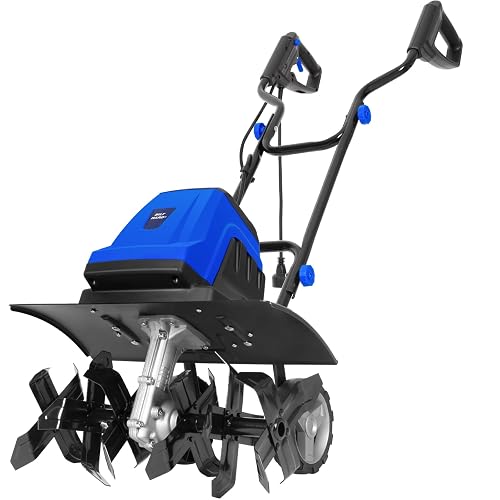 Best for large plotsBILT HARD 18 Inch Electric Tiller Cultivator, Corded 15 AmpView on Amazon
- 6
 Best for tight spacesMZK 20V Cordless Tiller Cultivator, 8.6-Inch Steel TinesView on Amazon
- 7
 Best for weedingCordless Electric Garden Tiller Cultivator, 6000mAh Battery Powered TiView on Amazon
Our Top Picks
| Product | Best for | Key feature |
|---|---|---|
| SEYVUM Cordless Tiller | Medium garden beds | 20V dual battery system |
| BILT HARD 46cc Gas Tiller | Heavy sod and new ground | 4-cycle gas engine |
| Hand Tiller for Gardening | Raised beds and containers | Manual twist design |
| Earthwise TC70025 | Small yards | Corded electric motor |
| BILT HARD 18 Inch Electric Tiller | Large plots | 6 steel tines, 15 amp |
| MZK 20V Cordless Tiller Cultivator | Tight spaces | 8.6-inch steel tines |
| Cordless Electric Garden Tiller Cultivator | Weeding and loosening | 6000mAh battery, light frame |
SEYVUM Cordless Tiller for Gardening, 20V 2 X 4.0Ah
SEYVUM Cordless Tiller for Gardening, 20V 2 X 4.0Ah Battery Powered Cultivator, 9-in Tilling Width and 7-in Depth Electric Rototiller, 360 RPM Garden Tiller for Soil Cultivation
Best for: Medium garden beds and yearly turning of established plots.
This suits gardeners who want no fumes and no cords, with a 9-inch tilling width and 7-inch depth listed by the manufacturer.
Pros
- Two batteries listed for extended run time
- Light enough for most users to maneuver
Cons
- Shallow depth limits use in heavy clay
BILT HARD 46cc 4-Cycle 1.9HP Gas Powered Tiller Cultivator
BILT HARD 46cc 4-Cycle 1.9HP Gas Powered Tiller Cultivator – 16" Heavy-Duty Steel Tines Rototiller, Adjustable Wheels & Cushioned Handle Grips for Plowing, Tilling, Weeding in Garden, Farm
Best for: Heavy sod and breaking new ground.
Gas power and 16-inch steel tines are aimed at larger plots and tougher soil that electric models struggle with.
Pros
- 4-cycle engine avoids mixing fuel with oil
- Adjustable wheels help control tilling depth
Cons
- Heavier to transport and start than electric options
Hand Tiller for Gardening, Manual Twist Tiller Cultivator
Hand Tiller for Gardening, Manual Twist Tiller Cultivator, Heavy Duty Garden Claw, Soil Loosener & Lawn Aerator for Soil Mixing, Garden, Flower Box and Raised Bed
Best for: Raised beds, containers, and small loosening jobs.
A manual option for gardeners who want precision without a motor, and no rental needed for small areas.
Pros
- No fuel, battery, or cord required
- Useful for mixing amendments in small beds
Cons
- Physically demanding over large areas
Earthwise TC70025 7.5″ 2.5-Amp Corded Electric Tiller/Cultivator
Earthwise TC70025 7.5" 2.5-Amp Corded Electric Tiller/Cultivator, Grey
Best for: Small yards with an outlet within reach.
A compact corded tiller that works well for light annual tilling in modest beds.
Pros
- Lightweight and easy to store
- No battery to recharge
Cons
- Cord length restricts the working area
BILT HARD 18 Inch Electric Tiller Cultivator, Corded 15 Amp
BILT HARD 18 Inch Electric Tiller Cultivator, Corded 15 Amp 6 Steel Tines Tillers for Gardening, Garden Rototiller for Soil Digging with Adjustable Wheels
Best for: Larger plots that need a wider pass than small units give.
An 18-inch corded electric model with six steel tines suits gardeners working through a full season of beds.
Pros
- 15-amp motor for consistent power
- Adjustable wheels for depth control
Cons
- Needs a nearby outlet or long heavy-duty extension cord
MZK 20V Cordless Tiller Cultivator, 8.6-Inch Steel Tines
Battery-powered mini garden cultivator for soil cultivation, lawn care, and small garden beds. MZK 20V Cordless Tiller Cultivator, 8.6-Inch Steel Tines,360 RPM
Best for: Tight spaces and narrow garden strips.
A small cordless cultivator for gardeners who need to work around fences, trees, and raised edging.
Pros
- Compact footprint for narrow beds
- Cordless operation with no fuel
Cons
- Narrow tilling width means more passes on large areas
Buying Guide
Power Source: Gas, Corded Electric, or Cordless
Gas tillers offer the most power and run on fuel rather than an outlet, which suits large plots and tough ground. Corded electric models are lighter and quieter but limit you to the reach of your extension cord. Cordless models fall in between, giving you freedom to move around the yard without the noise or fumes of a gas engine.
Tilling Width and Depth
A wider tilling width covers more ground per pass, which saves time on larger beds. Depth matters just as much, since a tiller that only scratches the surface will not break up compacted layers. Match the width and depth to the size of your garden and the condition of your soil.
Soil Type and Condition
Loose, previously worked soil can be handled by lighter machines, while hard clay, heavy sod, or long-neglected ground calls for more torque and sturdier tines. If your plot is mostly small raised beds, a compact or manual cultivator may be all you need. Be honest about how tough your ground is before choosing.
Weight and Maneuverability
A heavy machine can be tiring to push and steer, especially for gardeners with limited strength or a small space to work in. Lighter units are easier to store and transport, though they may struggle in dense soil. Adjustable wheels and cushioned handle grips make a noticeable difference during longer sessions.
Rent or Buy
If you only till once or twice a year, renting a machine from a local equipment shop can cost less than buying and storing one. If you garden regularly, owning a tiller pays off over time and removes the need to schedule pickups and returns. Weigh how often you will use it and whether you have room to store it.
FAQ
Is it better to rent a soil tiller or buy one?
Renting is usually better for a single seasonal job on a large plot, since you avoid paying for and storing a machine you rarely use. Buying makes more sense if you till several times a year or maintain multiple beds. Compare the rental rate for a few days against the cost of owning over your typical season.
What size tiller do I need for a home garden?
Most home gardens do well with a tiller that has a moderate tilling width and enough depth to loosen the top several inches of soil. Very small beds can be handled by a compact electric or manual cultivator. Larger yards may benefit from a gas model with a wider working path.
Can a tiller break up hard clay soil?
A tiller with strong power and sturdy tines is better suited to clay than a lightweight model. Working the soil when it is moist, not soaking wet or bone dry, makes the job easier. Several passes at a shallow depth often work better than one deep, forced pass.
How deep should I till my garden?
For most vegetable and flower beds, tilling to about six to eight inches is enough to loosen roots and mix in organic matter. Going much deeper can bring up weed seeds and disrupt soil structure. Check the depth your machine can reach and adjust your passes to suit the planting you have in mind.
Do I need to prepare the ground before tilling?
Clearing rocks, large sticks, and debris before you start protects both you and the machine. Removing heavy weeds or cutting tall grass short also helps the tines work through the soil evenly. A quick walk-through of the area saves time and prevents damage.
Conclusion
If you have a large plot with tough ground and only need a tiller occasionally, a rental gas model or a heavy-duty machine is the practical choice. Gardeners with small beds or a regular routine will likely be happier with a cordless or corded electric tiller that is easier to handle and store.
For light weeding, loosening soil in raised beds, or working compost into a small patch, a manual or compact cultivator covers most needs without any fuel or cord. Choose the option that matches your plot size, soil condition, and how often you plan to use it.
Related reading
- Where to Rent Tiller: Where to Look and What to Check First
- Rent Tractor with Tiller: A Step-by-Step Guide for Beginners
- Troy Bilt Super Bronco Rear Tine Tiller: Setup, Use and Care Guide
- Troy Bilt Horse Tiller Parts: How to Find and Replace Them
About Lauren Holland
Lauren Holland is part of our editorial team and reviews and edits our garden hand tools & equipment guides, checking product details against manufacturer specifications and owner feedback.


